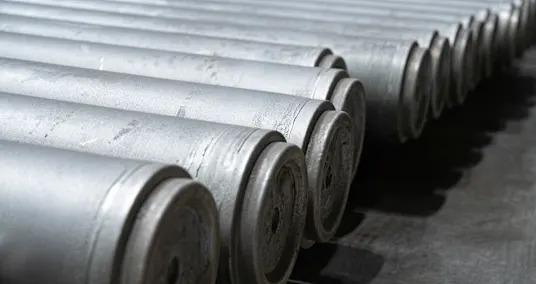
Fears of global aluminium shortages that could affect the production of clean energy technologies intensified after Iran struck two major Gulf aluminium producers, sending prices to a four-year high. The Middle East accounts for 9% of the world’s production of aluminum, which is essential to a wide range of industries from transportation, construction, and packaging, as well as the manufacture of solar panels, electrical transmission systems, wind turbines, and EVs.
Export shipments to the US and Europe had already come to a halt because of the effective closure of the Strait of Hormuz, and Morgan Stanley economists singled out aluminium as carrying a high level of risk across the value chain. Andy Farida, an aluminium analyst at Fastmarkets, told Semafor that high prices would be passed on to end-users, ultimately causing demand destruction. “A prolonged shutdown (with little to no alternative supplies other than Russia and China) could cripple the supply of aluminium to support the production of clean and green technology,” he said, adding that relief could come “if governments allow some sanctioned Russian and Chinese aluminium to be imported.”

latest_posts
- 1
 Mississippi Insight for Jan. 11, 2026
 - 2The Most Astonishing Arising Advancements to Watch
- 3Tata Motors, BMW among automakers set to raise prices in India
- 4Role reversal: Ukraine moves training home and exports the lessons abroad
- 5Burkina Faso forces killed twice as many civilians as jihadists, rights group says




- Which restaurants and fast food chains will be open on Christmas Eve and Christmas Day?
- We tasted one of the 10,000 Hershey's Dubai chocolate bars being resold on eBay. Is it worth the hype?
- CDC changes kids' vaccine schedule, removing universal recommendation for some shots
- 3 Italian City Cars That Outsmarted Regulations and Rivals
- Manual for 10 Scrumptious Specialty Mixed drinks
- Dental, Vision, and Hearing Inclusion in Senior Protection.
- 10 Hints and Deceives to Expand Cell Phone Information Use: Capitalize on Your Information
- Portable Installment Answers for Independent ventures
- World's oldest known tortoise still very much alive despite rumor to the contrary