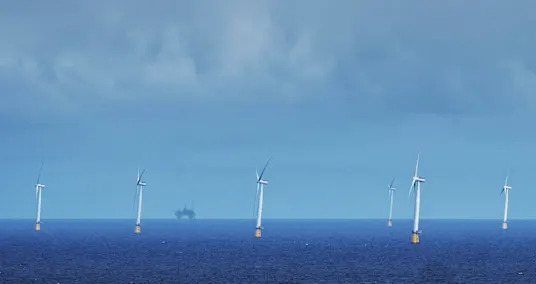
The deepening energy crisis triggered by the US-Israel war with Iran has thrust energy security back onto the political stage in European countries — and widened fault lines along with it.
In the UK — which is particularly vulnerable because of its imports of gas, and which suffered hefty price rises following Russia’s 2022 invasion of Ukraine — attention this time has shifted from diversifying supply away from single countries to a broader push to move beyond fossil fuels, said Annabel Rice, a senior political adviser at the Green Alliance, a London-based think tank. Or at least, that’s the takeaway the governing Labour Party seems to have settled on, casting renewables as more insulated to oil price shocks.
France is similarly leaning towards reducing reliance on hydrocarbons. The country’s prime minister has tasked his cabinet with identifying priority actions to electrify the economy. Others in Europe, such as Italy, have so far opted to double down on fossil fuels to cushion the blow from surging electricity bills. The UK’s opposition Conservative Party is pitching a similar idea, launching a “Get Britain Drilling” campaign this week, pressing to reverse the country’s ban on North Sea oil and gas licenses and claiming it would cut bills significantly.

latest_posts
- 1
 Remain Fit: Powerful Wellness and Work-out Schedules for a Better You
 - 2This St Nick Truly Can Advise How To Drink And Hack Your Headache
- 3Radiate brilliantly: The 5 Precious stone Rings to Purchase in 2024
- 4New York to require social media platforms to display mental health warnings
- 5Vote In favor of Your Favored Pet Consideration Administration


- 4 Excellent Remote Headphones of 2024
- Mickey Lee of 'Big Brother' fame dead at 35 after flu complications, family says
- Europe’s EV Boom Was Real in 2025. The Real Fight Starts In 2026
- Hundreds of Intact Dinosaur Eggs Emerge From 72-Million-Year Time Capsule
- Blue Origin launches huge rocket carrying twin NASA spacecraft to Mars
- Experience Sports in Dubai: A Daredevil's Aide
- Denny's is shutting down restaurants around the country. What's behind the closures?
- Traveling Alone: An Excursion of Self-Disclosure
- Native Americans had dice and games of probability long before other cultures, study finds