The final full moon of the year — a supermoon known as the cold moon — shone brightly across the world this week.
It follows two other supermoons this year: the harvest supermoon on Oct. 7 and the beaver supermoon on Nov. 5.
A supermoon occurs when a full moon coincides with the moon being at its closest point to Earth in its orbit. The moon, as a result, will appear slightly larger and brighter than usual.
According to the Farmers’ Almanac, December’s full moon is known as the cold moon, “reflecting the frigid season.” The almanac website says it’s “also known as the Long Night Moon (Mohican) because it rises during the longest nights of the year, near the winter solstice, and remains above the horizon for an extended period.”
Supermoons appear only three to four times a year, NASA says. And at its closest point to Earth, the moon can appear up to 14% bigger and 30% brighter than a moon that is farthest away from Earth.
The next full supermoon, also known as the wolf moon “because wolves were more likely to be heard howling at this time,” will happen on Jan. 3.
See photos of December’s dazzling supermoon below.
See more of our photo features on Yahoo News.
latest_posts
- 1
 Instructions to Redo Your Kona SUV for Improved Tasteful Allure and Usefulness
 - 26 Famous Urban communities for Shopping on the planet
- 3Tickets for 'Stranger Things' Season 5 finale, to be shown in movie theaters on New Year's Eve, go on sale today. Here's how you can save your seat.
- 4Becoming Familiar with an Unknown dialect: My Language Learning Excursion
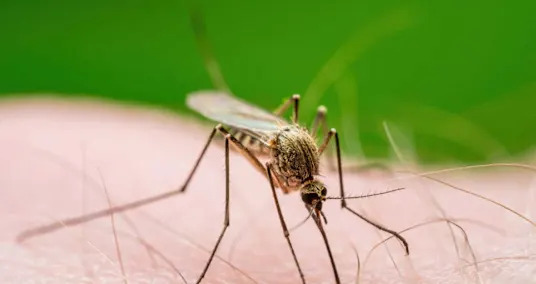
- 5How Deforestation Is Reshaping Mosquito-Human Contact


- Scientists find twisting magnetic waves on the sun. Could this help solve a huge solar mystery?
- 'Every day I planned an escape': Ariel Cunio shares details of Hamas captivity
- Get To Be familiar with The Historical backdrop Of Western Medication
- Deaths reported in Lebanon as Israel and Hezbollah exchange attacks
- Explora Journeys becomes latest cruise line to be impacted by Middle East war
- Scientists uncover an ant assassination scheme that helps a parasitic queen rise to power
- Sean 'Diddy' Combs faces new sexual assault allegations, currently under investigation by Los Angeles Sheriff's Department
- Reporter's Notebook: The Post embeds with foreign armies visiting the IDF
- 'The best gift ever': Baby is born after the rarest of pregnancies, defying all odds